Kimyo University Hospital | Tashkent
A rapid or strong heartbeat at rest can occur in people of different ages. Some people notice that their heart beats faster than usual, experience a pounding sensation in their chest, feel anxious, or have shortness of breath even when they are not exercising.
In some cases, a rapid heartbeat is related to temporary factors such as stress, lack of sleep, or caffeine consumption. However, if these symptoms occur frequently, it is important to pay attention to your cardiovascular health and identify the underlying cause.
At Kimyo University Hospital, patients can consult a medical specialist and undergo appropriate examinations to evaluate their heart health and investigate possible causes of a rapid heartbeat.
A rapid heartbeat, medically known as tachycardia, refers to an increased heart rate. In adults, a resting heart rate is generally between 60 and 100 beats per minute.
However, the normal heart rate may vary depending on individual characteristics, age, emotional state, medications, and overall health.
Symptoms may include:
A fast or strong heartbeat without physical activity.
Palpitations while lying down or resting.
A sensation of skipped or irregular heartbeats.
Pounding in the chest, neck, or throat.
Weakness, dizziness, or fatigue.
Shortness of breath or difficulty breathing.
Not every increase in heart rate indicates a medical condition. However, frequent or persistent episodes should be evaluated by a healthcare professional.
A rapid heartbeat can be caused by lifestyle factors or various medical conditions.
During stressful situations, the body releases hormones that activate the nervous system and increase the heart rate.
A rapid heartbeat may occur during anxiety, emotional stress, nervousness, or panic episodes.
If these symptoms occur frequently, it is important to evaluate other possible causes rather than assuming that the heartbeat is caused only by stress.
Irregular sleep patterns, insufficient sleep, and excessive workload can affect the nervous system and cardiovascular function.
As a result, a person may experience a faster heartbeat, weakness, irritability, and difficulty concentrating.
Maintaining a regular sleep schedule and allowing the body enough time to recover may help improve overall well-being.
Caffeine and certain stimulant substances can increase the heart rate.
Some people may experience palpitations after consuming coffee, energy drinks, or certain medications.
If symptoms occur after consuming these products, it is advisable to monitor their intake and discuss the situation with a healthcare professional.
Anemia occurs when the body does not have enough healthy red blood cells or hemoglobin to transport oxygen effectively.
To compensate for reduced oxygen delivery, the heart may work harder.
Possible symptoms include:
Rapid heartbeat.
Weakness and fatigue.
Pale skin.
Dizziness.
Shortness of breath during everyday activities.
A complete blood count and additional laboratory tests, including iron studies when indicated, may help evaluate the condition.
An overactive thyroid gland can increase metabolism and cause a rapid heartbeat.
Other possible symptoms include excessive sweating, hand tremors, unexplained weight loss, irritability, and sensitivity to heat.
A doctor may recommend thyroid function tests, such as TSH and other thyroid hormones, depending on the patient's symptoms.
Changes in blood pressure may sometimes be accompanied by palpitations, headaches, weakness, or dizziness.
However, the sensation of a rapid heartbeat alone cannot determine whether blood pressure is high or low.
Blood pressure and heart rate measurements are necessary to evaluate the patient's condition.
Heart rhythm disorders, also known as arrhythmias, are another possible cause of a rapid heartbeat.
Some arrhythmias may cause sudden episodes of a fast pulse, irregular heartbeats, weakness, dizziness, or other symptoms.
An electrocardiogram (ECG) and, in some cases, longer-term heart rhythm monitoring may be required to identify these conditions.
Insufficient fluid intake, excessive sweating, vomiting, or diarrhea may lead to dehydration.
Changes in electrolyte levels, including potassium and magnesium, may also affect heart rhythm in certain situations.
A doctor may recommend laboratory tests to evaluate hydration and electrolyte balance when clinically appropriate.
Medical evaluation is recommended if a rapid heartbeat occurs frequently, develops without an obvious reason, or is accompanied by other symptoms.
Pay particular attention to:
Repeated episodes of a rapid heartbeat at rest.
Irregular heartbeats or a sensation of skipped beats.
Dizziness or significant weakness.
Shortness of breath during mild activity.
Chest pain or discomfort.
If a rapid heartbeat is accompanied by chest pain, severe shortness of breath, fainting, or feeling as though you may faint, seek emergency medical assistance immediately.
Do not take medication to lower your heart rate without medical advice.
To determine the cause of symptoms, a doctor may evaluate heart function, blood pressure, blood test results, and other possible contributing factors.
At Kimyo University Hospital, patients may be advised to undergo examinations depending on their symptoms and the doctor's recommendations.
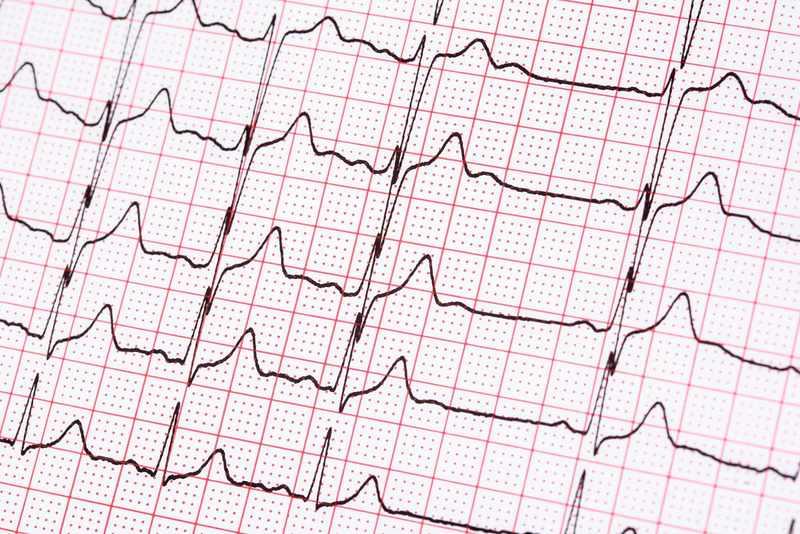
An electrocardiogram (ECG) records the electrical activity of the heart and helps evaluate its rhythm.
It can identify certain heart rhythm abnormalities and other changes that may be associated with palpitations.
An ECG is generally a quick and painless procedure.
An echocardiogram uses ultrasound to evaluate the structure of the heart, the function of its valves, and the movement of the heart muscle.
It may be recommended when a doctor suspects structural heart changes or when additional symptoms are present.
Laboratory tests can help identify conditions that may contribute to a rapid heartbeat.
Depending on the patient's symptoms, a doctor may recommend:
Complete blood count (CBC): To evaluate hemoglobin levels and identify possible anemia.
Iron studies: To investigate suspected iron deficiency.
Thyroid function tests: To evaluate thyroid activity.
Electrolyte tests: To assess potassium, magnesium, and other relevant levels when indicated.
Measuring blood pressure and heart rate helps evaluate the patient's condition during a medical consultation.
If necessary, the doctor may recommend monitoring these measurements at home.
If episodes occur periodically and a standard ECG does not detect abnormalities, a doctor may recommend Holter monitoring.
Holter monitoring records the heart's rhythm over an extended period and may help identify episodes that are not detected during a standard ECG.
The need for additional tests is determined individually.
If a rapid heartbeat occurs for the first time and is not accompanied by emergency symptoms, you may:
Stop physical activity and sit down calmly.
Measure your heart rate and blood pressure if possible.
Pay attention to how long the episode lasts and whether other symptoms occur.
Avoid energy drinks and excessive caffeine.
Maintain a regular sleep schedule and adequate fluid intake.
Consult a doctor if symptoms recur or persist.
Do not diagnose yourself or take heart medication without medical advice.
If you regularly experience a strong heartbeat without physical activity, it is important to determine whether it is related to temporary factors or an underlying medical condition.
Kimyo University Hospital provides patients with the opportunity to consult a medical specialist and undergo appropriate diagnostic examinations.
Depending on the doctor's recommendations, an examination may include:
Medical consultation.
ECG to evaluate heart rhythm.
Echocardiography to assess heart structure and function.
Laboratory blood tests.
Additional diagnostic procedures when medically indicated.
A comprehensive evaluation helps the doctor identify possible causes of symptoms and determine the appropriate next steps.
When lying down, some people become more aware of their heartbeat. This may be related to increased awareness of the pulse, stress, or other factors.
If a rapid heartbeat occurs frequently while lying down, consult a healthcare professional.
Yes. Anxiety and emotional stress can activate the nervous system and increase the heart rate.
However, recurring palpitations should not automatically be attributed to anxiety, especially when they occur frequently or without an obvious trigger.
Depending on the symptoms, a doctor may recommend a complete blood count, iron studies, thyroid function tests, and electrolyte measurements.
The appropriate tests are determined after a medical consultation.
An ECG can help evaluate the heart rhythm and identify certain abnormalities.
If episodes occur periodically, a doctor may recommend additional diagnostic methods.
No. Heart rate provides useful information, but it cannot independently establish the cause of the symptoms.
A medical consultation and additional examinations may be necessary.
A rapid heartbeat without physical activity may be associated with stress, fatigue, anemia, thyroid disorders, or changes in heart rhythm.
If symptoms occur repeatedly, do not postpone medical evaluation.
Book a consultation at Kimyo University Hospital in Tashkent to discuss your symptoms, undergo appropriate examinations, and receive medical recommendations.
Timely evaluation helps identify possible causes of palpitations and determine the next steps for protecting your health.
Kimyo University Hospital — medical care and diagnostic services for your health.