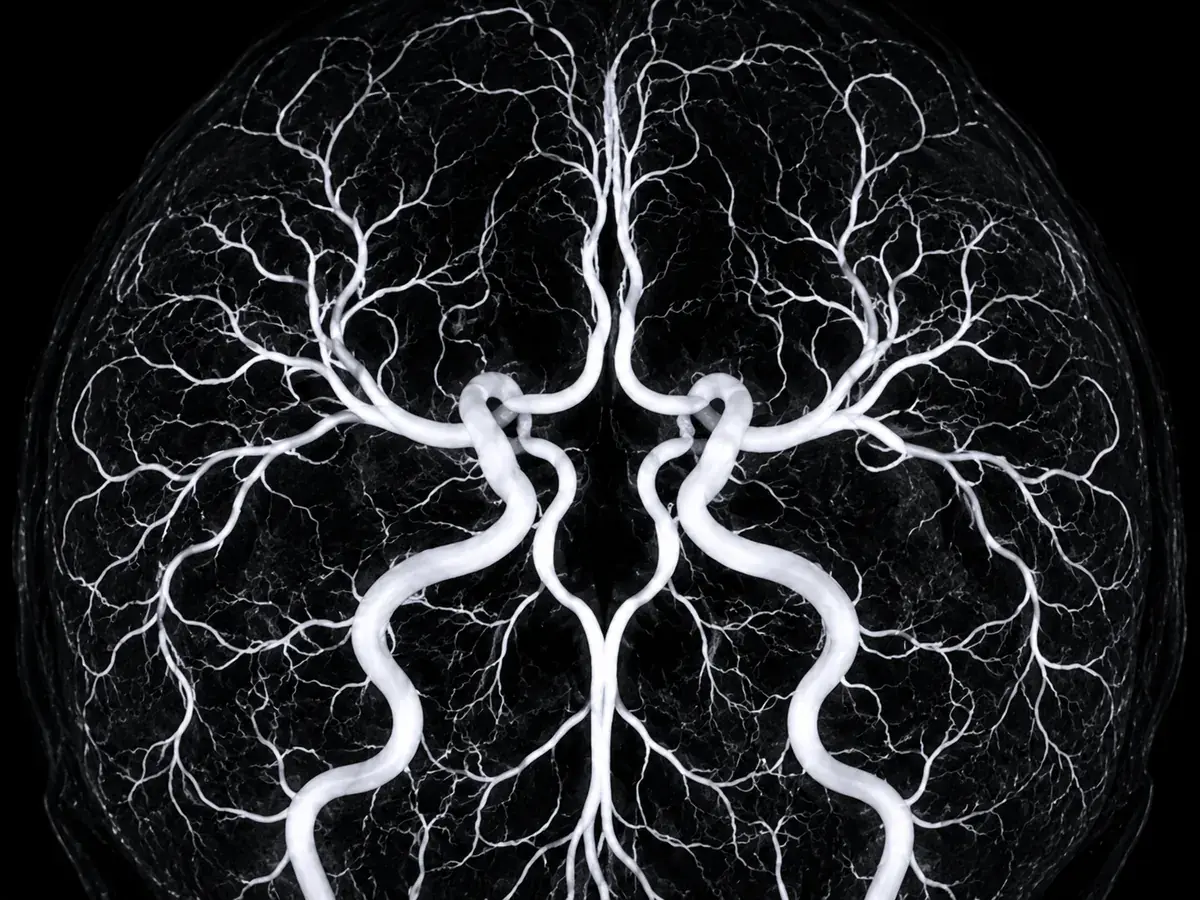
Magnetic Resonance Imaging (MRI) is one of the most valuable diagnostic methods in modern medicine. It allows doctors to examine internal organs, soft tissues, joints, the brain, and the spine in detail without using ionizing radiation.
MRI is widely used to help identify various medical conditions, assess injuries, and support doctors in choosing appropriate treatment strategies.
MRI is a non-invasive diagnostic procedure that uses a strong magnetic field and radio waves to produce detailed images of structures inside the body.
Unlike X-rays and CT scans, MRI does not use ionizing radiation. This makes it particularly useful for examining soft tissues, including the brain, spinal cord, muscles, ligaments, and internal organs.
The examination is performed using a specialized MRI scanner. During the procedure, the patient lies on a movable table that slides into the scanner.
MRI can help doctors investigate a wide range of medical conditions.
Brain MRI can help identify or evaluate:
Brain tumors and other abnormal growths
Signs of stroke
Multiple sclerosis
Inflammatory conditions
Certain structural abnormalities
Causes of persistent or unexplained neurological symptoms
Doctors may recommend brain MRI when patients experience persistent headaches, dizziness, seizures, or other neurological symptoms.
MRI of the spine provides detailed images of vertebrae, intervertebral discs, spinal nerves, and surrounding soft tissues.
It can help detect:
Herniated discs
Degenerative disc disease
Spinal canal narrowing (stenosis)
Nerve compression
Certain spinal injuries
Inflammatory changes
This examination may be recommended for patients experiencing persistent back pain, numbness, weakness, or pain radiating into the arms or legs.
MRI is particularly useful for examining joints and surrounding structures.
It can help evaluate:
Meniscus injuries
Ligament tears
Tendon damage
Cartilage abnormalities
Joint inflammation
Soft tissue injuries
Knee, shoulder, and hip MRI examinations are commonly used to investigate injuries and unexplained joint pain.
Depending on the clinical indication, MRI can also be used to examine internal organs, including the liver, kidneys, pancreas, and pelvic organs.
It may help doctors investigate suspicious lesions, structural abnormalities, and certain inflammatory conditions.
An MRI examination may be recommended when a doctor needs more detailed information about a particular area of the body.
Common reasons include:
Persistent headaches or unexplained neurological symptoms
Chronic back or neck pain
Suspected joint or ligament injuries
Unexplained weakness or numbness
Further evaluation of abnormalities found during other examinations
Monitoring certain previously diagnosed conditions
MRI is not necessary for every symptom. A qualified medical professional should determine whether the examination is appropriate.
Preparation depends on the body part being examined and whether contrast material will be used.
Before the procedure, patients should:
Inform medical staff about pacemakers, implants, or other medical devices.
Report any previous allergic reactions to contrast agents.
Remove metal objects, jewelry, watches, and electronic accessories.
Follow any specific instructions provided by the medical team.
Inform the staff if they are pregnant or may be pregnant.
For some examinations, additional preparation may be required.
MRI is generally considered a safe diagnostic method when performed according to established medical guidelines.
However, the strong magnetic field means that certain metallic implants and medical devices may require special assessment before the examination.
Some patients may also experience discomfort due to the enclosed scanner or noise during the procedure.
If contrast material is required, the medical team will assess the patient's medical history and kidney function when appropriate.
Identifying medical conditions at an early stage can help doctors make informed decisions about further examinations and treatment.
MRI provides detailed diagnostic information that may complement physical examinations, laboratory tests, ultrasound, and other imaging methods.
However, MRI results should always be interpreted by a qualified medical professional in combination with the patient's symptoms and medical history.
Kimyo University Hospital is committed to providing patients with access to modern medical services and diagnostic technologies.
MRI examinations can play an important role in evaluating neurological conditions, spinal disorders, joint injuries, and other medical concerns.
The appropriate examination should be selected by a medical professional based on the patient's individual needs.
If you have persistent symptoms or have been advised to undergo an MRI examination, consult a qualified healthcare professional to determine the most appropriate diagnostic approach.
Medical Disclaimer: This article is intended for general educational purposes only and should not replace professional medical advice, diagnosis, or treatment.